
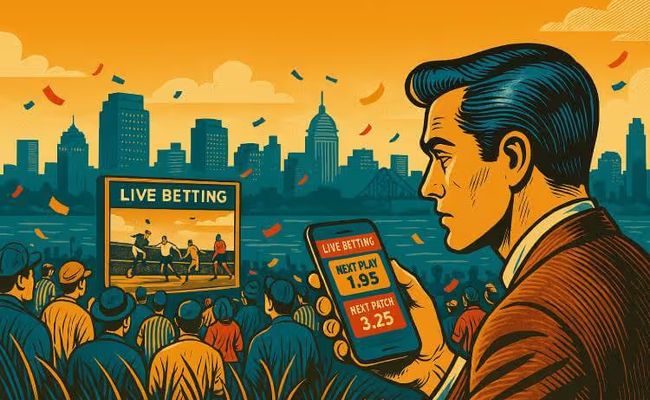
New Jersey is taking a closer look at one of the sports betting industry’s fastest-expanding segments, with state lawmakers moving to outlaw microbetting and introduce fines for sportsbooks that continue offering it. The effort reflects growing worry that rapid-fire wagering is contributing to financial harm, especially among vulnerable gamblers.
Senator Paul D. Moriarty has introduced a proposal that would remove microbetting markets from all licensed operators in the state. His bill builds on an earlier effort by Assemblyman Dan Hutchison but adds detailed penalties, including fines ranging from $500 to $1,000 for each prohibited wager an operator accepts.
Understanding the Target of the Ban
Microbetting allows users to wager on the smallest moments within a game rather than waiting for the final score. These bets can cover the next pitch, the next offensive play, or the next basket, essentially turning every few seconds of the game into a new gambling opportunity. While similar to traditional proposition bets, micro-wagers occur live and at high frequency, which is a core reason they’ve become so popular at sports betting casinos.
Lawmakers argue these rapid, repetitive betting cycles can fuel impulsive play. A single sporting event can offer hundreds of betting decisions, each of which is resolved almost instantly. Supporters of the ban argue that the format’s pace leaves little time for bettors to step back and assess their spending.
Financial Strain Drives Legislative Action
Hutchison, who has worked with clients facing serious debt, has drawn attention to cases where individuals repeatedly made micro-wagers and quickly found themselves behind on significant financial commitments. These situations, he says, reflect a growing trend as legal sports betting expands and technology enables faster, more granular wagering options.
Neither lawmaker is pushing for a rollback of sports betting as a whole. Instead, they argue that microbetting has evolved into a separate, higher-risk product that taps into behavioral patterns similar to social media engagement, with constant stimuli and instant outcomes.
Reviews (0)
No comments yet. Be the first to comment!