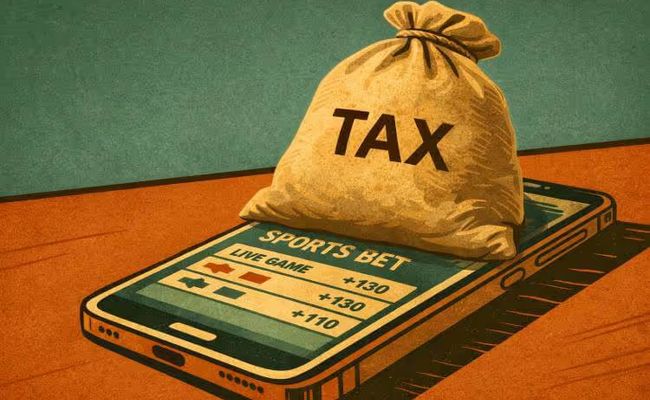
Chicago’s 2026 budget will introduce a new city-level tax on sports betting revenue, adding to an already complex regulatory and tax structure for gambling operators in Illinois. The measure, which takes effect on January 1, applies a 10.25% tax to sportsbook revenue generated within city limits.
The budget became law after Mayor Brandon Johnson allowed it to take effect without signing or vetoing the legislation. While other revenue measures were removed during negotiations with the City Council, the sports betting tax remained and will be implemented without a phase-in period.
City Tax Expands an Already High-Cost Market
Illinois already imposes a progressive tax on sports betting revenue, with rates ranging from 20% to 40% depending on annual thresholds. Cook County applies an additional 2% tax on sportsbook revenue. With the introduction of Chicago’s municipal levy, sportsbook revenue generated within the city will be subject to combined tax rates exceeding 30% at a minimum.
For operators that reach Illinois’ highest revenue tiers, the combined impact of state, county, and city taxes could push total effective rates beyond 50% during parts of the year. The added burden further distinguishes Illinois as one of the most heavily taxed sports betting markets in the United States.
Illinois has also increased costs through a per-wager surcharge that took effect in mid-2025. Under that structure, sportsbooks pay $0.25 per wager on their first 20 million bets annually and $0.50 on every wager beyond that level. State data shows that while overall betting revenue has continued to rise, total wagering volume has declined.
Illinois is home to several regulated online sports betting sites, which continue to operate under state licensing rules despite rising tax and compliance costs.
For bettors, these higher operating costs are often reflected in odds, minimum wager requirements, and in-play limits offered by online sports betting sites operating in Illinois.
Licensing Language Introduces Compliance Questions
Beyond taxation, Chicago’s budget includes new licensing provisions requiring any business accepting sports betting wagers within the city to hold a city-issued license. The requirement is expected to apply to online sportsbooks that are already licensed at the state level.
The budget does not outline a formal process for obtaining these city licenses, leaving open questions ahead of the January start date. Industry groups have raised concerns that the lack of clarity could complicate compliance or temporarily affect sportsbook operations while regulatory details are finalized.
Revenue Expectations and Broader Gambling Context
City officials estimate the new sports betting tax will generate approximately $26 million per year, based on projections that Chicago accounts for roughly 40% of Cook County sportsbook revenue. Using recent county data, expected annual collections are closer to $25 million under current market conditions.
The move comes as Illinois continues to report substantial overall gambling revenue, with recent data showing a significant increase in statewide casino revenue alongside ongoing changes to sports betting taxation.
Chicago’s sports betting tax is part of a broader budget strategy that also includes expanding video gaming terminals within city limits. The city is expected to allow new terminals ahead of the planned opening of Bally’s Chicago casino in the second half of 2026.
State-Level Response Remains Unresolved
Chicago’s decision has prompted legislative responses in Springfield. Proposed bills introduced in October would limit municipalities' ability to impose their own gambling taxes or licensing requirements, reserving that authority to the state.
Another proposal would reduce Chicago’s share of state-distributed funds by an amount equal to any revenue generated through the city’s sports betting tax. Neither measure has advanced out of committee, and no votes have been scheduled. Both are expected to remain under consideration when the Illinois General Assembly reconvenes in January.
With the new tax set to take effect in 2026, Illinois sportsbooks are preparing for a regulatory environment shaped by layered taxation, per-bet fees, and evolving local oversight, while lawmakers continue to debate how gambling revenue should be structured statewide.

Reviews (0)
No comments yet. Be the first to comment!